




By mid-2025, Vision 2030’s implementation had expanded beyond the NEOM and Riyadh megaprojects to encompass dozens of cities across the kingdom. The strategy aims to create a balanced, decentralized urbanization model, where each major region contributes to the country’s economy and cultural identity.
Royal Commissions—government governing bodies established by royal decree and directly reporting to the Council of Ministers and His Royal Highness the Crown Prince—have become a key instrument for implementing this model. Their primary goal is to eliminate institutional fragmentation, expedite decision-making, and ensure coordination between ministries, municipalities, and the private sector on major urban development and infrastructure programs. The commissions have their own budgets, authority to approve master plans, issue permits, and manage projects through their own development departments.
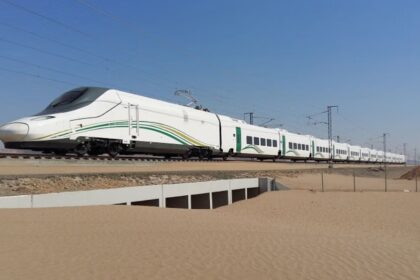
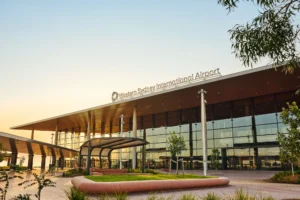
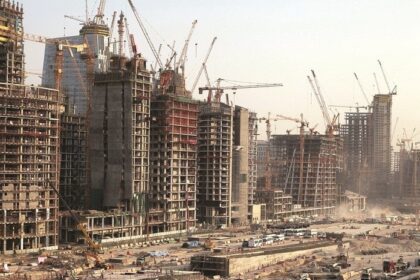
Today, commissions are operating in Medina, Mecca, Al-Ula, Asir, and Hail, as well as Jeddah, Jubail, and Yanbu. In Jeddah Central, active construction of the coastal cluster is underway, while in Medina, the transport and hotel infrastructure is being upgraded. Al-Ula is being developed as a world-class cultural and tourist center; in Asir and the south, roads, airports, and water supply systems are being modernized.
The creation of royal commissions was a response to the previous inefficiencies in interdepartmental coordination and the difficulties that arose when implementing complex projects through the standard bureaucratic model. Now, instead of dozens of approval bodies, there is a single client and manager, capable of attracting both national and international contractors and investment entities.
For the construction and engineering sectors, this means expanded opportunities for participation in regional projects: from residential and road infrastructure to landscaping, public spaces, and energy. But it also requires adaptation to a new work logic—where the key partners are institutionally strong and fast-acting government commissions focused on results, not procedure.
Commentary by Igor Bukato, international expert in construction and infrastructure:
“Developing institutionally strong commissioners is one of the key conditions for the sustainable development of urban infrastructure. Royal Commissions in Saudi Arabia demonstrate how decentralization and end-to-end governance can accelerate the implementation of complex construction programs. For contractors, this means not only increased work volumes but also a new level of interaction with the government—transparent, results-oriented, and technologically mature.”